EN
EN

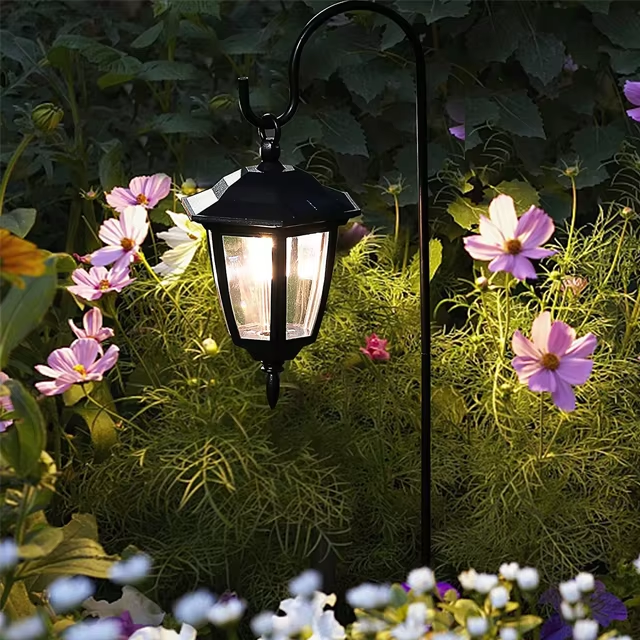
Розуміння розумних систем керування в сонячних гирляндах
Розумні системи керування перетворюють сонячні гирлянди з простих інструментів освітлення на відповідальні, енергоефективні системи. Ці технології дозволяють точно керувати графіками освітлення, яскравістю та споживанням енергії, мінімізуючи необхідність ручного втручання.
Що таке розумні системи керування в сонячному освітленні?
Розумні системи керування — це інтегровані системи, які автоматизують або дистанційно керують роботою освітлення за допомогою IoT (Інтернету речей), датчиків та бездротового зв'язку. На відміну від традиційних сонячних ліхтарів із фіксованими таймерами, розумні версії динамічно змінюють режим роботи на основі зовнішніх факторів, таких як рівень природного світла, виявлення руху та переваги користувача.
Основні компоненти: IoT, датчики та бездротовий зв'язок
Три елементи, що визначають сучасне розумне сонячне освітлення:
- IoT-шлюзи для передачі даних у реальному часі між пристроями та інтерфейсами користувача
- Фотоелементи які вмикають світло в темряві та вимикають його на світанку
- Бездротові протоколи (Bluetooth, Wi-Fi або Zigbee), що забезпечує інтеграцію з мобільним додатком
Ця екосистема дозволяє користувачам створювати індивідуальні графіки освітлення, контролювати рівень накопичення енергії та отримувати сповіщення про обслуговування через мобільні пристрої.
Еволюція дистанційного та автоматизованого керування в зовнішньому сонячному освітленні
Ранні сонячні гирлянди працювали за допомогою ручних перемикачів і простих таймерів. Досягнення в мініатюризації датчиків і низьковольтних бездротових чіпів (2018–2023) дозволили реалізувати функціональну автоматизацію:
- Адаптивне регулювання яскравості залежно від умов освітлення
- Групове керування для синхронізації світлових ефектів на кількох гирляндах
- Самодіагностичні системи, що виявляють перекриття панелей або зниження ємності акумулятора
Ці інновації роблять розумні сонячні гирлянди базовими компонентами сучасних систем ландшафтного освітлення та архітектурних акцентів.
Ключові технології, що забезпечують роботу розумних сонячних гирлянд
Інтеграція з IoT для моніторингу та керування в реальному часі
Сьогоднішні сонячні гирлянди стають все розумнішими завдяки підключенню до Інтернету речей. Усередині цих гірлянд розташовані мікрочипи, які дозволяють користувачам змінювати яскравість, встановлювати час увімкнення та вимкнення, а також відстежувати споживання електроенергії прямо зі свого телефону. Системи передають такі дані, як рівень заряду батареї (зазвичай від 2000 до 5000 міліампер-годин) та ефективність перетворення сонячного світла на електроенергію (приблизно 18–22 відсотки), у хмарне сховище. Дослідження минулого року показали, що ці сучасні моделі із підключенням витрачають приблизно на 34 відсотки менше енергії, ніж звичайні, оскільки можуть прогнозувати оптимальні моменти для її використання.
Фотоелементи та датчики руху для автоматичної роботи
Щодо розумного освітлення, вбудовані датчики-фотоелементи зазвичай вмикають світло, коли рівень навколишнього освітлення падає нижче 10 лк, фактично забезпечуючи освітлення в період від сутінок до світанку. Тим часом пасивні інфрачервоні (PIR) датчики руху допомагають економити енергію акумуляторів, забезпечуючи повне вмикання світла лише при виявленні реального руху. Деякі новіші системи йдуть ще далі, додаючи радарну технологію для виявлення присутності. У Звіті про освітлення CES 2024 зазначається, що ці сучасні моделі можуть розрізняти людей інших рухомих об'єктів з точністю близько 92%. Для домашніх умов такий поєднаний підхід із датчиків справді має значення. Виробники стверджують, що їхній підхід із використанням двох датчиків зменшує витрату енергії майже на 30%, що з часом перекладається на нижчі рахунки за електроенергію для власників будинків.
Інтелектуальне регулювання яскравості та функції таймера
| Функція | Традиційні системи | Смарт-системи |
|---|---|---|
| Рівні яскравості | 2–3 фіксованих налаштування | 10–15 регульованих рівнів |
| Контроль тривалості роботи | Фіксовано 6–8 годин | Індивідуальні розклади через додаток |
| Адаптація | Тільки ручне керування | Автоматичні режими реагування на погодні умови |
Алгоритми машинного навчання аналізують історичні моделі використання для оптимізації тривалості освітлення. Під час польових випробувань адаптивне регулювання часу продовжило роботу акумулятора на 41% у похмурий період, як повідомив NREL у 2023 році.
Енергоефективне затемнення та оптимізація продуктивності на основі даних
Технологія затемнення шляхом широтно-імпульсної модуляції (ШІМ) зберігає енергоефективність на рівні 90% при 50% яскравості порівняно з 70% у аналогових системах. Виробники тепер інтегрують діагностичні інструменти, які виявляють перекриття панелей або деградацію акумулятора за 14–21 день до відмови. Системи, що використовують корективи на основі актуальних метеоданих, демонструють на 19% вищий рівень надійності протягом року в кліматі з чотирма порами року, згідно з UL Solutions (2024).
Подолання викликів у проектуванні та управлінні енергоспоживанням
Поєднання компактного дизайну з інтелектуальними функціями в сонячних гірляндах
Створення досить компактних інтелектуальних елементів керування для сонячних гирлянд є надзвичайно складним інженерним завданням. Виробникам потрібно розмістити всередині безліч компонентів — модулі ІоТ, датчики руху, бездротові приймачі — все це має поміститися в герметичному корпусі, який не товщий за звичайні стрічки світлодіодів. За результатами нашого тестування, «розумні» версії працюють приблизно на 12 градусів гарячіше, ніж прості моделі. Це додаткове виділення тепла вимагає використання спеціальних матеріалів, щоб запобігти надто швидкому виснаженню акумуляторів. Компанії стикаються з труднощами у пошуку балансу між додаванням нових функцій і забезпеченням тривалої надійності продуктів.
Обмеження потужності та ефективність зберігання енергії в акумуляторах сонячних систем
Справа в тому, що сонячні гирлянди працюють в досить жорстких енергетичних межах. Візьмемо, наприклад, стандартну панель потужністю 20 ват — вона виробляє лише близько 1,6 кіловат-години на місяць, якщо все ідеально співпадає. І ось ще один фактор, що зменшує ці цінні запаси: «розумні» функції в таких системах фактично витрачають від 18 до 22 відсотків накопиченої енергії, просто тому, що постійно обмінюються даними по бездротовій мережі. Але є й гарні новини: останні досягнення в галузі технологій твердотільних акумуляторів демонструють реальний потенціал. У лабораторіях повідомляють, що нові акумулятори досягають вражаючого рівня ефективності — 94 відсотки — при передачі енергії зі сховища в режим використання. Це означає, що світлодіодні лампи з датчиками руху можуть працювати на 40 відсотків довше, перш ніж знадобиться підзарядка, у порівнянні з тим, що ми отримуємо сьогодні від звичайних літій-іонних акумуляторів.
Поточні прогалини: лише 38% сонячних гирлянд підтримують IoT-моніторинг (дані NREL)
Незважаючи на зростаючий попит споживачів, дослідження ринку НРЕL за 2023 рік показало, що лише 38% сонячних гирлянд підтримують інтеграцію з IoT. Ця прогалина виникає через:
- Обмеження вартості : Додавання модулів Zigbee/Bluetooth збільшує вартість комплектуючих на 14–18 доларів
- Проблеми сумісності : 65% існуючих систем використовують власні протоколи
- Обмеження потужності : Постійне підключення втричі швидше розряджає акумулятори в моделях першого покоління
Проблеми безпеки посилюються тим, що 29% протестованих систем освітлення IoT не мають базового шифрування. Виробники тепер впроваджують радіомодулі з енергозбиранням, які отримують живлення безпосередньо від сонячних панелей, щоб подолати ці перешкоди у підключенні та ефективності.
Досягнення доступності при наданні сучасних функцій
Поєднання складного смарт-керування з економічною вигідністю залишається головним викликом для виробників сонячних гирлянд. Нижче ми розглядаємо стратегії, що дозволяють інноваціям залишатися орієнтованими на ціну.
Аналіз витрат і вигод від додавання смарт-керування до сонячних гирлянд
Інтеграція модулів Інтернету речей (IoT) та сенсорів збільшує витрати на виробництво на 18–25% порівняно з базовими системами сонячного освітлення. Однак інтелектуальні функції зменшують довгострокові експлуатаційні витрати за рахунок:
| Фактор вартості | Базове сонячне освітлення | Розумні сонячні гойдалки-освітлювачі |
|---|---|---|
| Витрати енергії | 30–40% | 8–12% |
| Вручну регулювання | 2–4 год/місяць | 0,5 год/місяць |
| Дострокова заміна | 22% | 9% |
Ці ефективність компенсує початкові витрати протягом 12–18 місяців для комерційних користувачів, хоча власники житла часто надають перевагу нижчій початковій ціні.
Подолання розриву між високотехнологічними функціями та чутливістю споживачів до цін
78% власників будинків вважають розумне сонячне освітлення «бажаним, але необов’язковим», що створює опір преміальним цінам. Виробники вирішують це шляхом:
- Використання стандартизованих протоколів IoT для зниження вартості компонентів
- Пропонування багаторівневих лінійок продуктів (базова, підключена, преміум-автоматизація)
- Комплектування ліхтарів безкоштовним додатком для керування замість спеціалізованого обладнання
Модульні та масштабовані конструкції для підвищення ефективності витрат
Сучасні системи використовують замінні сенсорні блоки та знімні сонячні панелі, що дозволяє користувачам:
- Починати з базових функцій освітлення
- Додавати виявлення руху або керування кольором пізніше
- Замінювати окремі компоненти замість цілих гірлянд
Такий підхід зменшує початкові витрати споживачів на 35–40%, зберігаючи можливість оновлення — важливий чинник, враховуючи, що лише 12% покупців спочатку повністю використовують передові смарт-функції.
Майбутні тенденції та прогноз ринку для IoT-ускладнених сонячних світлодіодних гірлянд
Прогноз зростання: збільшення на 62% кількості IoT-підключених сонячних гірлянд до 2027 року (Statista)
Дослідження ринку показують, що світовий ринок сонячних канатних ліхтарів із підключенням до Інтернету може зрости майже на дві третини до 2027 року, що зумовлено насамперед зростаючим попитом на рішення для зовнішнього освітлення, які економлять енергію, але пропонують інтелектуальні функції. За даними Statista, люди все частіше хочуть мати системи освітлення, якими можна керувати через додатки та встановлювати автоматичні графіки роботи. Багато компаній тепер роблять акцент на створенні продуктів, які поєднують вигоду від використання сонячної енергії з інтелектуальними функціями, такими як відстеження обсягу спожитої енергії протягом дня чи регулювання яскравості залежно від навколишніх умов. Такі функції раніше були доступні лише у дорогих варіантах освітлення, але в останні роки стають усе поширенішими на різних цінових рівнях.
Новітні технології: Мережі типу «мережа» для безшовної інтеграції контролерів освітлення
Найновіші сонячні гирлянди починають використовувати мережі типу mesh, щоб усунути ті неприємні проблеми з підключенням на великих відкритих ділянках. Традиційні системи спираються лише на Bluetooth, а ось нові конфігурації з технологією mesh дозволяють кожному відрізку гирлянди передавати сигнали іншим. Це означає, що контролери можуть залишатися підключеними до сонячних панелей на великих ділянках, таких як просторі задні подвір'я чи комерційні об'єкти, не втрачаючи зв'язок. Ті, хто вже спробував ці системи, стверджують, що кількість перерв у роботі зменшилася приблизно на 40% порівняно зі старими бездротовими системами, хоча результати можуть варіюватися залежно від особливостей монтажу.
Дослідження випадку: Впровадження розумного сонячного освітлення в пригородних районах (DOE, 2023)
Згідно з нещодавнім дослідженням Міністерства енергетики США за 2023 рік, проведеного в дванадцяти різних передмістях, домогосподарства, які перейшли на сучасні IoT-світлодіодні сонячні гірлянди, скоротили свої витрати на зовнішнє освітлення майже на 57% щороку порівняно зі звичайними варіантами, що працюють від мережі змінного струму. Найцікавішим було те, що люди почали частіше використовувати ці розумні світла в місцях, де ціни на електроенергію змінюються протягом дня. Розумні власники будинків налаштовували свої системи на зниження яскравості під час дорогих пікових годин, але при цьому залишали достатньо освітлення для забезпечення безпеки завдяки вбудованим у систему датчикам руху.
ЧаП
Що таке розумні сонячні світлодіодні гірлянди?
Розумні сонячні світлодіодні гірлянди інтегрують технології, такі як IoT, датчики та бездротовий зв'язок, щоб забезпечити краще управління енергією та дистанційне керування у порівнянні з традиційними сонячними ліхтарями.
Як працюють розумні системи керування в сонячному освітленні?
Розумний контроль використовує шлюзи Інтернету речей, датчики освітлення та бездротові протоколи для автоматизації функцій освітлення, таких як регулювання яскравості та моніторинг енергоспоживання, з можливістю динамічної реакції на зовнішні умови та переваги користувача.
Чи є розумні сонячні стрічки-світлодіоди ефективнішими з точки зору енергоспоживання?
Так, розумні сонячні стрічки-світлодіоди, як правило, витрачають на 34% менше енергії порівняно зі звичайними моделями завдяки прогнозуванню споживання енергії та функціям автоматичного управління.
З якими викликами стикаються розумні сонячні стрічки-світлодіоди?
До викликів належать обмеження, пов’язані з компактним дизайном, обмеження потужності, висока вартість виробництва, а також проблеми інтеграції з Інтернетом речей та сумісності систем.
Зміст
- Розуміння розумних систем керування в сонячних гирляндах
- Ключові технології, що забезпечують роботу розумних сонячних гирлянд
- Подолання викликів у проектуванні та управлінні енергоспоживанням
- Поєднання компактного дизайну з інтелектуальними функціями в сонячних гірляндах
- Досягнення доступності при наданні сучасних функцій
- Майбутні тенденції та прогноз ринку для IoT-ускладнених сонячних світлодіодних гірлянд
- ЧаП